Skip to content







The global market for Lamination Films was valued at US$8.2 billion in 2024 and is projected to reach US$10.2 billion by 2030, growing at a CAGR of 3.7% from 2024 to 2030. Lamination is vital in the packaging industry to increase both the packaging’s visibility and its durability. It’s available in various types, including gloss lamination, matte, holographic, soft touch, silk lamination, and more.
Brands choose among them according to their product packaging needs and value to make a lasting impression on customers. These laminations also protect the printing quality and products from damage because of environmental factors. In this blog, I will help you to learn about different types of lamination, application benefits, and how to choose the right one in detail in this well-researched blog post.
What is Lamination?
Lamination is the application of premium plastic paper to various packaging materials in different forms to achieve an astonishing and luxurious feel. You have noticed these laminations on various printed materials, such as business cards, product packaging, book covers, brochures, table tents, and more. Lamination not only adds an eye-catching presentation but also provides protection to the printing area and products.
Types of Lamination: Choose the Right One
There are countless products on the market, and thousands of brands offer them to meet customers’ demands. Every brand has different packaging needs depending on its budget, product, and marketing strategy. Therefore, they choose various types of lamination to provide an iconic presentation to their products. In this section, I will guide you about various types of lamination by utilizing my years of experience and in-depth research.
1. Matte Lamination
This is one of the most commonly used laminations in packaging and printing. It’s also known as flat lamination and is popular because of its smooth, fine, and premium finish. It’s made of a silky, fine-quality BOPET(Biaxially-oriented polyethylene terephthalate) and provides strength, stability, and other barrier protection properties to packaging or any printing materials. It’s popular in various industries and applies to flexible packaging.
2. Gloss Lamination
Lamination that is directly applied to any printed materials for contrast, durability, and to enhance printing vibrancy. Gloss lamination is a more premium type of lamination for packaging as compared to matte. As its name suggests, it provides a shiny and reflective final look to packaging. Brands like to apply gloss on their packaging and printed materials to enhance the visibility of their printing elements. You can even easily write and remove it when you need it on gloss lamination. Gloss is shinier than matte, and both provide excellent durability. Both gloss and matte laminations are excellent choices, depending on the packaging style and branding needs.
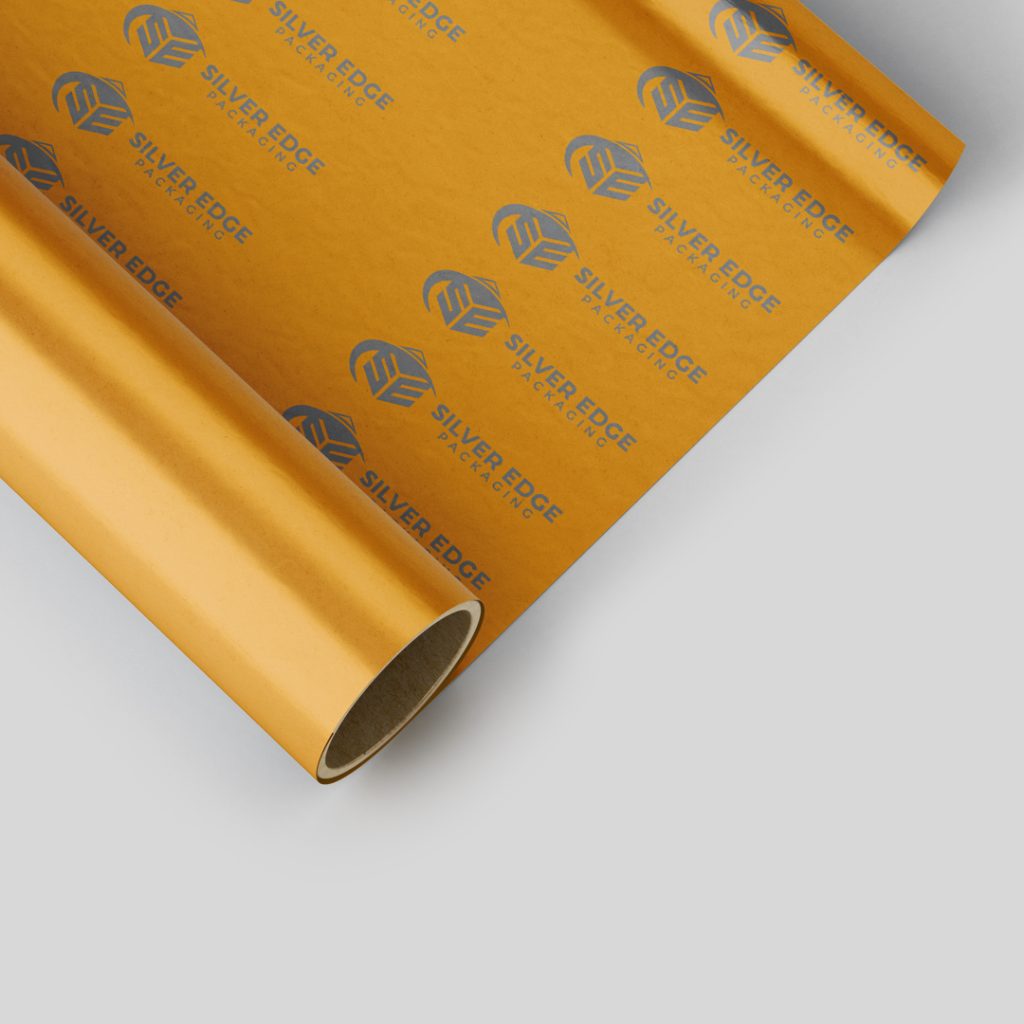
3. Soft Touch Lamination
A lamination which is applied to packaging and other printed materials for a soft velvet feel to add more value and visual appeal. Brands choose it to provide an astonishing and luxurious presentation to their product packaging and items. It’s the same as the matte lamination but provides a more premium final finish. You have noticed it mostly on gift boxes, customized jewelry packaging, premium perfume boxes, and other high-end products’ packaging. Because of its double layer of lamination and coatings, it provides excellent strength to packaging.
4. Silk Lamination
Lamination, which is popular because of its silk-like yet soft final touch, is called silk lamination. It falls between the matte and soft touch lamination and is more popular to provide an enchanting and fantastic feel to printing materials, such as packaging and cards. If any brand wants to provide a luxurious final touch to its product packaging at affordable rates can go with silk lamination. It also provides durability and a premium feel at the same time.
5. Antigrafting Lamination
The lamination is popular because of its resistance features against marker, paint, and spray. It’s a high-performance protective film. This applies to the marketing materials that are commonly used in public spaces, including hospitals, offices, schools, and others, to protect the printing elements on materials. Brands choose it to apply to signage, digitally printed areas, and various other surfaces, including glass and metal. If anyone writes on its surface with a marker or spray, you can easily remove the written text with cleaning agents or solvent.
6. Decorative Lamination
Decorative lamination is also a plastic sheet that is printed with various graphics to provide an attractive presentation. Like the other finishing effects, it also adds protection and an appealing touch to the surface. Brands choose it to grab the attention of onlookers and to keep their products safe from moisture, water drops, and other harmful factors. It’s available in various thicknesses, and you can choose according to your product and packaging needs to ensure both protection and presentation at the same time.
7. Wet Adhesive Lamination
Lamination, which is applied on the packaging or other printing materials with the help of adhesive glue and pressure, provides it a striking feel. It also adds a next level of protective layer to the surface of packaging and other materials. Adhesive glues are applied to a single surface to smoothly apply it on the desired area. With the help of wet adhesive lamination, you can improve the appearance, along with the protection. To apply the plastic film on the surface, a nip roller is used to apply adhesive materials on the sheet, and materials are bonded together with pressure until the adhesive is wet, and they pass through the drying system.
8. Dry Lamination
Lamination, applied to the surface with heat and pressure, is called dry lamination. It’s also commonly known as dry bond lamination. This is passed through the heat rollers with sufficient pressure to provide the desired effects on the surface. It also adds an extra layer of protection and a premium touch to the specific materials. Therefore, brands use it for their various printed materials to make the desired impact on onlookers.
9. Holographic Lamination
A film that is prepared with the hot foil stamping or cold foiling with holographic effects and applied on any surface for rainbow-like effects is called holographic lamination. With the help of this lamination, you can easily add a luxurious touch to your simple packaging at affordable rates. It’s made of PET film and also adds extra protection and presentation to packaging or any printed marketing materials. Holographic lamination is available in various types, such as commonly used, simple, and patterned holographic lamination.
10. Aluminum Foil Lamination
Aluminum foil lamination is commonly used to provide a luxurious presentation to various product packaging, such as cosmetics, chemicals, perfumes, and other retail items. It’s FDA-approved and considered safe for food. It’s popular because of its lightweight, clean look, durability, and premium final touch. It keeps packaging safe from folding, and brands get it on their packaging boxes with embossing and debossing effects. Like the other lamination options, it also keeps products and packaging safe from water, moisture, fingerprints, and other external harmful factors.
11. Transfer Metalized Lamination
Transfer metalized lamination is popular to provide a bright and reflective metallic sheen to product packaging. In this lamination, a metallic layer is bonded to the thin plastic adhesive sheet, and it is applied to the desired surface. After removing the adhesive plastic sheet from the surface, it only left the metalized layer, which is thinner than a human hair. Brands choose it for various effects, including silver, rainbow, and other holographic effects. It provides a stunning and luxurious presentation to a product, and you have noticed it in perfume packaging.
Examples of Various Laminated Printed Materials
In the printing and packaging industry, laminations are applied to various printed materials to allow brands to get the desired final touch. Here are some examples of the most commonly laminated work.
- Product Packaging
- Stickers
- Labels
- Flayers
- Menus
- Maps
- Brouchers
- Books Covers
- Posters
Lamination Methods
Depending on the application method and materials, lamination methods vary, such as wet lamination, dry lamination, and more. In this section, we will guide you through the various methods using a table.
| Types | Adhesive types | Main process | Curing time | Applications |
| Wet Lamination | Solventless, water-based, or solvent-based | Adhesive applying → Laminating → Drying → Curing | Long (2-7 days) | Low-budget and used for large-scale production of packaging |
| Dry Lamination | Solvent-based or water-based | Adhesive applying → Drying → Laminating → Curing | Medium (1-3 days) | Heat-resistant and used for high-barrier performance packaging |
| Solventless Lamination | Solventless form only | Adhesive applying → Laminating → Curing | Medium (2-4 days) | Protective, durable, and safe for packaging |
| Thermal Lamination | Pre-coated, heat-activated adhesive | Heating → Laminating | Short (Immediate lamination) | Digital printing, best for small prints, is used for multi-design packaging |
What are the Benefits of Lamination?
As you know, laminations are widely used across various industries to make packaging and marketing materials more effective and durable. They provide a range of benefits after applications.
- Printed designs, colors, and typography need protection after printing because they can fade with human handling or other environmental factors. In this case, lamination plays a vital role in protecting the printing elements on custom boxes, bags, brochures, and other marketing materials.
- The proper plastic film lamination in various forms adds extra protection and gives the print design a more prominent look. Therefore, brands choose them to provide their product a luxurious presentation on shelves.
- Along with protecting printed elements, various types of laminations also provide the utmost protection to products packed in boxes or bags. They prevent the product from exposure to dust, stains, germs, and other harmful factors, keeping it in its original quality and grace.
- It also protects cards, brochures, and other advertising elements from scratches, fingerprints, stains, and sunlight, which can fade their printing quality.
Combining Lamination With Other Customization
Laminations add a more effective touch to product packaging and other printed materials. But some brands want to add a more distinctive and luxurious touch. Therefore, they choose the application of lamination with other premium finishing options, such as:
- Matte lamination with spot UV for a more prominent look of specialized artwork, company name, taglines, or brand logo.
- Matte and Gloss with hot-foil stamping effects for a metallic touch, such as gold, silver, and holographic.
- Gloss and matte with embossing and debossing for tactile experience.
- Soft-touch lamination with cold-foil stamping for a more luxurious, bold presentation.
- A mix of spot UV and holographic foiling for a rainbow-like feel and to create contrast between various printing elements.
There are other versatile methods in which various finishing options are applied together on customized packaging for desired vibrant effects to make a lasting impression on onlookers. By using these methods, brands can add more value to their branding and products, helping customers to easily identify their products.
How to Choose the Right Type of Lamination
With the help of this blog post, you can not go wrong while selecting the lamination according to your products and packaging. In this section, we will guide you on how to choose the right type of lamination for the desired effects.
- Consider Your Products: First, you should consider your product value and also its route to choose the right lamination. For your low-value products, you can go with matte lamination, and for high-end products, you can choose gloss and foil stamping, such as gold foiling and holographic.
- Keep The Color In Mind: There are various laminations available in the market for product boxes. Thus, you should choose the color that meets not only your product but also iconic branding colors to provide a more sophisticated and exclusive touch. If you want a rainbow-like effect on your packaging or printed materials, you can go with different types of holographic laminations.
- Imagine Your Desired Emotional Effects: If you want to provide a soft, fine, sophisticated, and premium feel to your packaging, you must go with soft touch lamination with the combination of gold foiling or silver foiling for your brand logo. For a tactile and lavish touch to your business cards, you can go with aluminum lamination with embossing and debossing effects.
Conclusion
Learning about lamination in packaging and printing can help you to choose the desired one that best suits your products, marketing, and budget needs. Among gloss, matte, soft touch, and other premium laminations, brands choose the one that provides a desired final touch to their product packaging and marketing materials.
We hope this blog post helps you to choose the right lamination among the range of options to get the desired yet luxurious final touch to the coveted surface. If you want to get the packaging with any of your choice lamination effects, contact Silver Edge Packaging.