Skip to content







Globally, the consumption of various packaging materials was 1.5 billion metric tons in 2024. Every product needs packaging for various purposes, including protection, appealing shelf display, promotion, and customer convenience. There are various recyclable and biodegradable materials used to manufacture product packaging boxes according to the protection needs of items, such as PET, glass, wood, kraft, cardboard, cardstock, and duplexboard.
With my years of experience in the packaging industry and in-depth research, we will guide you in detail about various types of packaging materials, their benefits, uses in various industries, and more in this blog post. It will help you select the desired materials to manufacture packaging in the desired thickness and durability.
What Are Packaging Materials?
Substances that are used to manufacture various types of packaging for the protection of products are called packaging materials. Apart from the safeguard of delicate items, materials also provide a good space for brands to print their desired typography, product images, colors, and more essential information. In this way, they can promote their business, provide a personalized look to their products, and guide customers about their items. These materials are classified into three types according to packaging types.
Classification of Materials According to Packaging Type
There are different types of packaging used by product manufacturers according to their products and marketing needs. In this section, I will guide you with a short overview of various types of materials according to the packaging type.
Primary Packaging Materials
Most of the retail items need primary packaging to remain safe and sound from production to consumption. According to the product’s chemical composition and physical structure, various types of direct contact materials are used to manufacture primary packaging.
- Cellophane, BOPP, or twist wraps are used to manufacture hard candy and lollipop wrappers.
- Aluminum foil, metalized paper, or multi-layer laminates are used for the lamination of chocolates.
- Waxed paper and plastic film are used for chewy products.
- Wax paper, butter paper, butcher paper, and other food papers are used to wrap food items.
- Kraft paper or glassine paper is used to manufacture bags for food items. These are one of the eco-smart packaging solutions for all businesses.
- Heat-sealed plastic is used for various candy bars and other retail food items.
- Polyethylene (PE) is used for plastic bags and pouches of various utility items.
- Metals are used to manufacture small cans for beverages, supplements, oils, jams, and other products.
Secondary Packaging Material
The common purpose of manufacturing secondary packaging is to enable brands to advertise their business and products professionally. Like the primary packaging materials, secondary packaging materials are also ideal for supporting various color printing and graphics without blur or bleed.
- PET, BOPET, and other polyethylene materials are used to manufacture bags for candies, sachets, and other products.
- Kraft paper is used to manufacture bags and boxes for rustic visual appeal and to provide necessary protection without compromising sustainability.
- Cardstock provides the required protection for small retail items and is mostly used to manufacture packaging boxes for snacks, bottled items, cosmetics, apparel, and other products.
- Cardboard is used to provide extra protection to the product during display and shipping.
- Chipboard or buxboard is the best premium and luxury packaging material to manufacture customized rigid boxes for high-end products, gifts, subscriptions, and giveaways.
- Wood and metals are also used to manufacture premium secondary packaging, such as cans and containers, for various retail items.
Tertiary Packaging Materials
The primary purpose of tertiary packaging is to provide an excellent cushioning for fragile and bulk products during storage and shipping. To manufacture such packaging, brands choose materials that can withstand wear and tear during transit to ensure complete protection for heavy-duty products.
- Corrugated cardboard is widely used to manufacture recyclable shipping cartons in various sizes for the bulk storage and shipping of retail items, home decor, office supplies, and other items.
- Wood is used to manufacture wooden boxes for the shipping of more fragile and high-value products. They are also used to manufacture tertiary packaging for radioactive and chemical substances to ensure safe shipping.
- Metal is used to manufacture metal crates for the safe storage and shipping of products.
- Plastic is used to manufacture pallets for the transportation of various products.
Major Types of Packaging Materials: You Must Know
There are many different types of packaging materials according to their composition. All over the world, hundreds of materials are used to manufacture various types of packaging for different purposes. Let’s discuss some major materials one by one.
Paper-Based Packaging Materials
Paper-based materials are used to manufacture various packaging for products, ensuring safe display, storage, takeout, and shipping. These are the most useful materials for manufacturing recyclable, biodegradable packaging and boxes for various products.
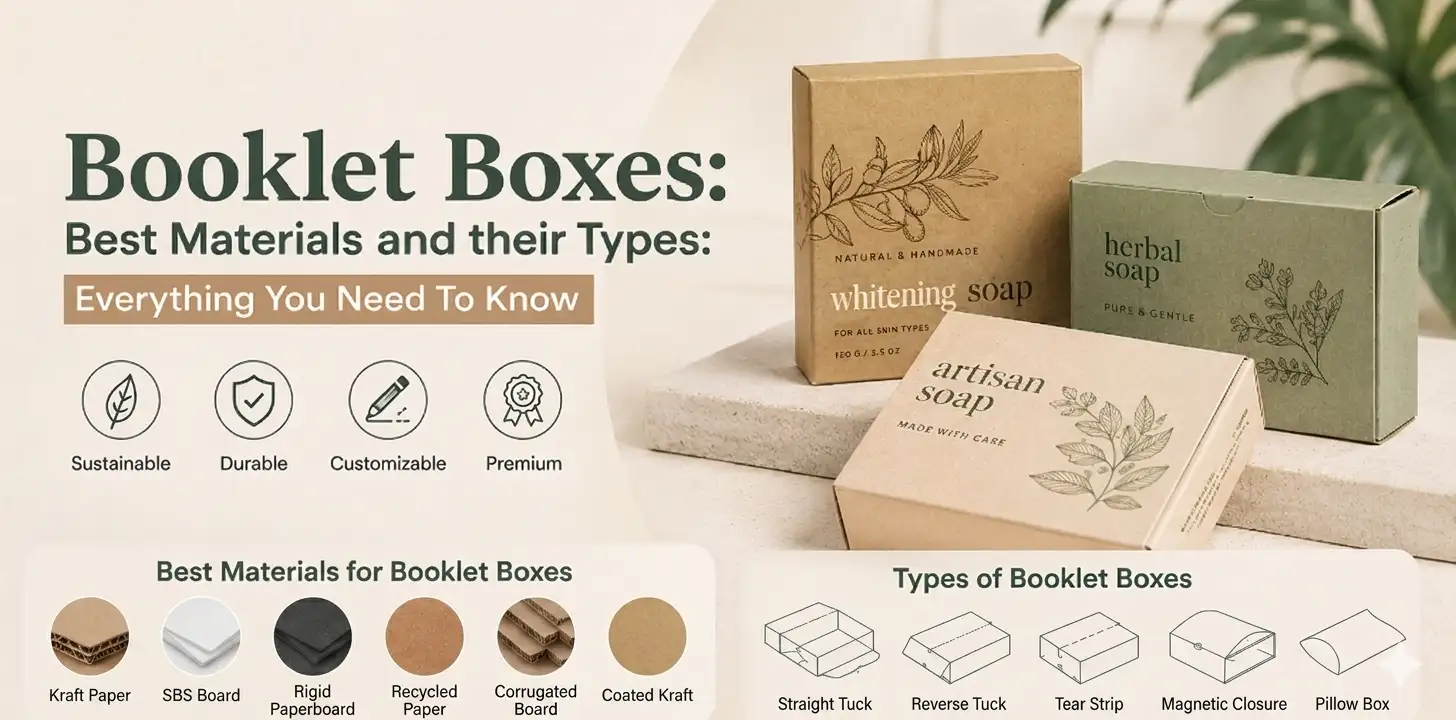
- Kraft: Bleached and unbleached kraft papers are used to manufacture various packaging materials, including paper bags, kraft boxes, and wrapping paper for food items. This is one of the ideal packaging materials to manufacture biodegradable and recyclable packaging.
- Cardstock: Because of its premium look and coated sides, cardstock is used to manufacture custom-printed boxes for various items. They are also safe for direct food contact and available in various types, including SBS C1S, SBS C2S, and more.
- Bux Board: To produce more affordable custom packaging for low-value products and for slight protection, bux board is one of the most used paper packaging materials. It’s useful for those brands that want to meet their custom product packaging needs at low rates.
- Corrugated Cardboard: These materials are popular because of their fluted layers and are available in various flutes and walls, such as A, B, C, E, F, and more. You can choose from single-face, single-wall, double-wall, and triple-wall corrugated cardboard materials according to your product packaging requirements. Here is complete detail about corrugated cardboard flutes and walls.
- Chipboard: Chipboard is also well-known for its rigidity. It uses more robust, thicker materials to manufacture sturdy, premium packaging for gifts and high-end products, such as jewelry, cosmetics, and more. A chipboard is an uncoated, rough board, and in coated form, it’s called a duplexboard. Duplexboard is used for premium finishes and printing. These are the best materials to use for making rigid boxes.
All the above materials are useful for full-color printing, helping brands manufacture branded boxes and packaging for their products to achieve desired outcomes.
Plastic Packaging Materials
Plastic packaging materials are also available in various types. They are lightweight, durable synthetic polymers that help us manufacture various types of primary to tertiary packaging. Plastic materials come in various types, such as PET, HDPE, LDPE, PP, PVC, PS, BoPET, and more. They are used to manufacture bottles, jars, tubes, bags, mylar bags, plastic boxes, pallets, and other types of product packaging.
Glass Packaging Materials
Glass materials are used to manufacture the primary packaging for various products in different forms. In some cases, glass is also used to manufacture premium and luxury gift boxes and display boxes. They are a blend of silica sand, soda ash, limestone, and cullet. In the pharmaceutical, cosmetics, food, and other industries, glass is used to manufacture bottles, jars, tubes, vials, and other sturdy and safe packaging for various medicated products.
Metal Packaging Materials
Aluminum, steel, and tin-free steel are the most commonly used metal packaging materials. They are used to manufacture various types of metal packaging with superior strength and durability. Metal packaging materials are also corrosion-resistant and ideal for beverage cans, aerosol cans, bottle and jar lids, and other food cans. They provide 100% protection against light, moisture, dust, and germs and are best for long-term food storage.
Wood-Based Packaging Materials
Wood-based packaging materials are used to manufacture boxes, pallets, crates, and dunnage with desired durability, strength, and thickness. All wood-based packaging materials are highly protective and comply with ISPM 15 standards. Packaging manufactured from these materials provides complete protection and is also useful for safe stacking and shipping. They are used to pack heavy-duty goods, such as industrial goods, food, beverages, bricks, tiles, and other high-end products. Wood-based packaging materials are sustainable due to their recyclability and biodegradability.
Textile & Natural Packaging Materials
There are various textiles and natural materials used to manufacture packaging for textile use, such as botanic fiber, non-woven, jute, and mycelium. These are eco-friendly and biodegradable materials that help brands reduce their footprint. So, industrial packaging, such as tubes, boxes, and bags, provides excellent cushioning to protect bulk products. These textile materials are also used to manufacture small bags for retail purposes.
Material Types Based on Functionality
According to the functionality, packaging materials are also categorized into various types that are not only useful for product protection but also help brands to reduce packaging waste.
Biodegradable & Compostable Materials
Most of the paper-based (kraft, cardstock, cardboard) and plastic materials (bioplastic) are biodegradable and compostable. They are made of renewable substances, helping brands to manufacture biodegradable packaging. By using such packaging materials, brands can set trends and project an eco-conscious image to win customers’ hearts.
Flexible Packaging Materials & Formats
To manufacture flexible packaging for retail products, the industry uses various packaging materials, such as PET, BOPET, kraft paper, nonwovens, and others. Mylar sheets are used to manufacture mylar bags for the long-term storage of food, cosmetics, supplements, medicated products, and other retail items. Flexible packaging materials are easy to customize into any shape and style of bags and pouches to help brands get their desired packaging.
Protective & Cushioning Packaging Materials
More fragile and heavy-duty products need utmost protection during storage and shipping. To provide these items with the necessary protection, thicker, fluted packaging is used, made of corrugated cardboard, plastic, and glass. Compared to plastic and glass, corrugated cardboard is lightweight and provides sufficient protection. But for greater protection, plastic and glass packaging are popular.
Pros and Cons of Different Packaging Materials
Do you want to know the pros and cons of various packaging materials to help you choose the right one for your product’s packaging needs? If so, stay tuned for a detailed guide using the given table.
| Material | Pros | Cons |
| Cardstock | Premium, lightweight, customizable into any shape and style, and print, and suited for direct food contact. | Expensive, not durable like rigid stock. |
| Corrugated Cardboard | Provide excellent cushioning, best for shipping boxes, and reduce shipping costs. | Not as appealing as the cardstock and premium rigid boards, and can not support water-based inks. |
| Kraft | 100% biodegradable and recyclable, they provide necessary protection and reduce packaging costs. | Less durable than other packaging materials; do not use it for shipping heavy-duty items, and it does not support water-based ink. |
| Rigid Stock | Provide a luxurious feel and branding, utmost protection, and add value to products. | Expensive, demand higher production costs, not 100% recyclable, not foldable, and do not decompose naturally. |
| Wood-Based Materials | Provide excellent cushioning, are used for heavy-duty products, recyclable, and biodegradable. | cost more to ship, require strict international compliance, and have hygiene and environmental impacts. |
| Glass Packaging Materials | Provide superior protection, food-safe, used for superior preservation, and product display. | Highly fragile, requires protective boxes, increases shipping costs, and requires more energy during production. |
| Metal Packaging Materials | Infinitely recyclable, highly resistant to damage, provides premium presentation and branding, temperature-resistant, versatile, and convenient. | Higher production and shipping costs, damaged by corrosion and rust, and offer fewer customization options. |
How To Choose The Right Packaging Material?
Choosing the right packaging materials for their products is quite a challenging task for product manufacturers. In this section, I will guide you in choosing the right materials, as professionals do.
- Understand the nature of your products, including fragility, dimensions of boxes, and other packaging needs.
- Choose extra packaging materials to ensure the complete protection of your products during shipping, such as packaging fillers (bubble wraps, packing peanuts,
- Make sure your selected material is recyclable or biodegradable to help you go eco-smart.
- Ensure that your selected material meets the desired printing needs and the required level of customization.
- Select the material that fits your budget to meet your packaging needs without any financial issues.
If you want to know how to choose the right material for your perfume brands or other materials, this blog post will help you.
Common Mistakes to Avoid When Choosing Packaging Materials
Most product manufacturers have made mistakes in choosing materials for their packaging. Let’s learn which mistakes you should avoid during the selection of materials.
- Prioritizing cost of quality
- Choosing the Wrong Size
- Ignoring Sustainability
- Ignoring Material Customization Options
- Prioritizing Appeal Over Functionality
Conclusion
Understanding different types of packaging materials, their benefits, uses, and how to select them like a professional can help product manufacturers confidently choose the materials they need. In this way, they not only provide the desired protection for their products but also reduce production costs. We hope this blog will help you to select materials from paper-based stock to metal that support customization and meet all packaging needs of your products.
If you need any assistance or want to manufacture custom paper packaging and bags for your products, contact Silver Edge Packaging, which offers the best packaging services, a fast turnaround time, and free shipping.
FAQs About Types of Packaging Materials
What are the Main Packaging Materials?
Paper, plastic, metal, and glass are the main packaging materials used to manufacture various packaging types. They provide the desired protection, presentation, and promotion for products without compromising the customer experience.
Which Packaging Material is Best For Food?
Glass, metal, paper, and plastic are the packaging materials that are suitable for food. Because products have different packaging needs, we need materials that best suit them.
What is the Most Eco-friendly Packaging Material?
Kraft, mycelium, and molded pulp are the most eco-friendly packaging materials, helping brands manufacture packaging that is good for both products and our Earth.